Mexico is increasingly positioning itself as a global manufacturing powerhouse, and industrial subdivisions play a key role in infrastructure development, attracting investment, and generating formal employment. With a focus on efficiency, logistics, and sustainability, these planned developments have become strategic operational hubs for both national and international companies.
According to the Ministry of Economy, Mexico attracted over USD 36 billion in Foreign Direct Investment (FDI) in 2024, much of which was directed toward sectors such as manufacturing, logistics, and technology. Driving this growth are industrial subdivisions, which provide the infrastructure, location, and services companies need to establish and scale their operations.
What Are Industrial Subdivisions and How Are They Structured?
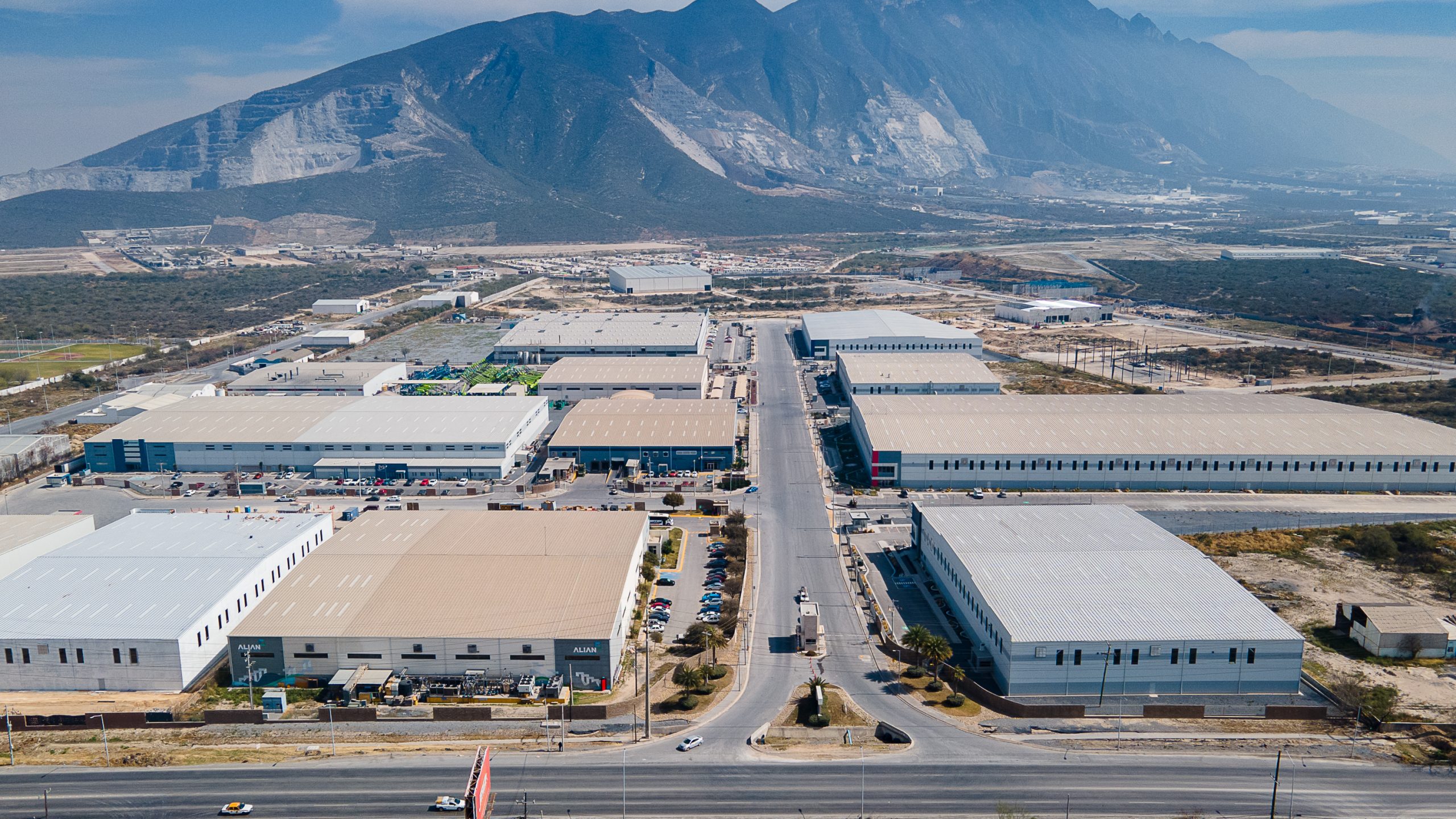
An industrial subdivision is a planned territorial development designed for companies in the secondary and logistics sectors. Unlike standalone warehouses or parks, these developments feature shared infrastructure, specific operational regulations, and access to strategic services such as energy, water, telecommunications, and security.
Typically, an industrial subdivision is structured with:
- Industrial lots for sale or lease
- Roadways and docks for heavy traffic
- Electrical substations
- Drainage systems and hydraulic networks
- Digital infrastructure (fiber optics, CCTV, controlled access)
This structure fosters a collaborative environment, reduces operating costs, and enables organized industrial growth.
How are Mexico’s industrial zones divided?
Mexico is divided into various industrial regions, influenced by geographic, political, and logistical factors. These zones are concentrated in strategic corridors that connect to ports, customs, airports, and consumer markets. The division reflects the presence of industrial clusters, skilled labor, road infrastructure, and the productive vocation of each region.
The 5 key industrial regions of Mexico
- Northeast (Nuevo León, Coahuila, Tamaulipas): A leader in automotive manufacturing, home appliances, and logistics.
- Bajío (Querétaro, Guanajuato, San Luis Potosí, Aguascalientes): Strong in automotive, aerospace, and agribusiness industries.
- Central (Mexico City, State of Mexico, Hidalgo): A strategic area due to its proximity to the country’s largest consumer market, with a focus on pharmaceuticals, food, and logistics.
- West (Jalisco, Michoacán, Colima): Specializing in technology, electronics, and agribusiness.
- Southeast (Yucatán, Tabasco, Chiapas): Growing in energy, food, and maritime logistics. This region is a federal priority with projects such as the Interoceanic Corridor.
Advantages of establishing operations in a planned industrial subdivision
Industrial subdivisions provide competitive advantages that go far beyond access to land:
- Strategic location: Direct connectivity to logistics corridors and export points.
- Operational efficiency: World-class infrastructure that reduces time and costs.
- Clear regulations: Industrial land use, environmental compliance, and legal compatibility.
- Shared services and security: Controlled access, monitoring, and maintenance of common areas.
- Flexible space options: Availability for lease, purchase, or Build-to-Suit (BTS) developments.
Infrastructure, services, andsStandards in VYNMSA industrial subdivisions
At VYNMSA, we design industrial subdivisions with scalability and regulatory compliance in mind. Our developments are located in key regions and feature:
- Fully urbanized roadways for heavy traffic
- Electrical power supply
- Voice & Data services and fiber optics
- Stormwater, sanitary, and hydraulic drainage systems
- 24/7 perimeter security
Additionally, we operate under international sustainability standards. Several of our industrial buildings are EDGE certified, reducing energy and water consumption by up to 20%.
Growth and expansion outlook for Mexico’s industrial sector
Nearshoring and the reconfiguration of global supply chains have placed Mexico firmly on the international radar. According to a Morgan Stanley analysis, nearshoring-related investment in Mexico could reach USD 46 billion over the next five years, driving annual GDP growth of 3% between 2025 and 2027. This trend is fueling the demand for industrial land and planned developments. In addition, the rise of e-commerce and logistics digitalization are redefining the requirements for modern industrial infrastructure.
Industrial subdivisions are not just physical spaces — they are ecosystems of growth, efficiency, and sustainability. In a country like Mexico, with its privileged geostrategic location and key trade agreements, having a partner who understands the market’s technical, regulatory, and logistical needs is essential.
At VYNMSA, we have over 31 years of experience leading the development of industrial subdivisions with a strategic vision. With 26+ parks in operation, world-class infrastructure, and tailored solutions, we are your ideal partner to expand operations in Mexico. Explore our strategic locations, immediate availability, and Build-to-Suit projects. Take your company to the next level — with VYNMSA, your growth starts today.