 ESG
ESG  Broker Friendly
  ES
ES EN
EN
Sustainable Industrial Development: The Key to Responsible Growth in Mexico
In a global context where pressure on natural resources, climate change, and supply chains is steadily increasing, industrial development can no longer be measured solely by square meters built or production volume. In Mexico, for investment to be truly successful, profitable, and responsible, it must include a sustainability dimension. Industrial spaces conceived under criteria of energy efficiency, responsible use of resources, technological innovation, and community engagement — this is what we define as sustainable industrial development.
For companies planning to establish industrial operations in Mexico, this shift is no longer optional: it is a competitive advantage. And for industrial developers, demand for spaces that meet sustainability standards is growing rapidly.
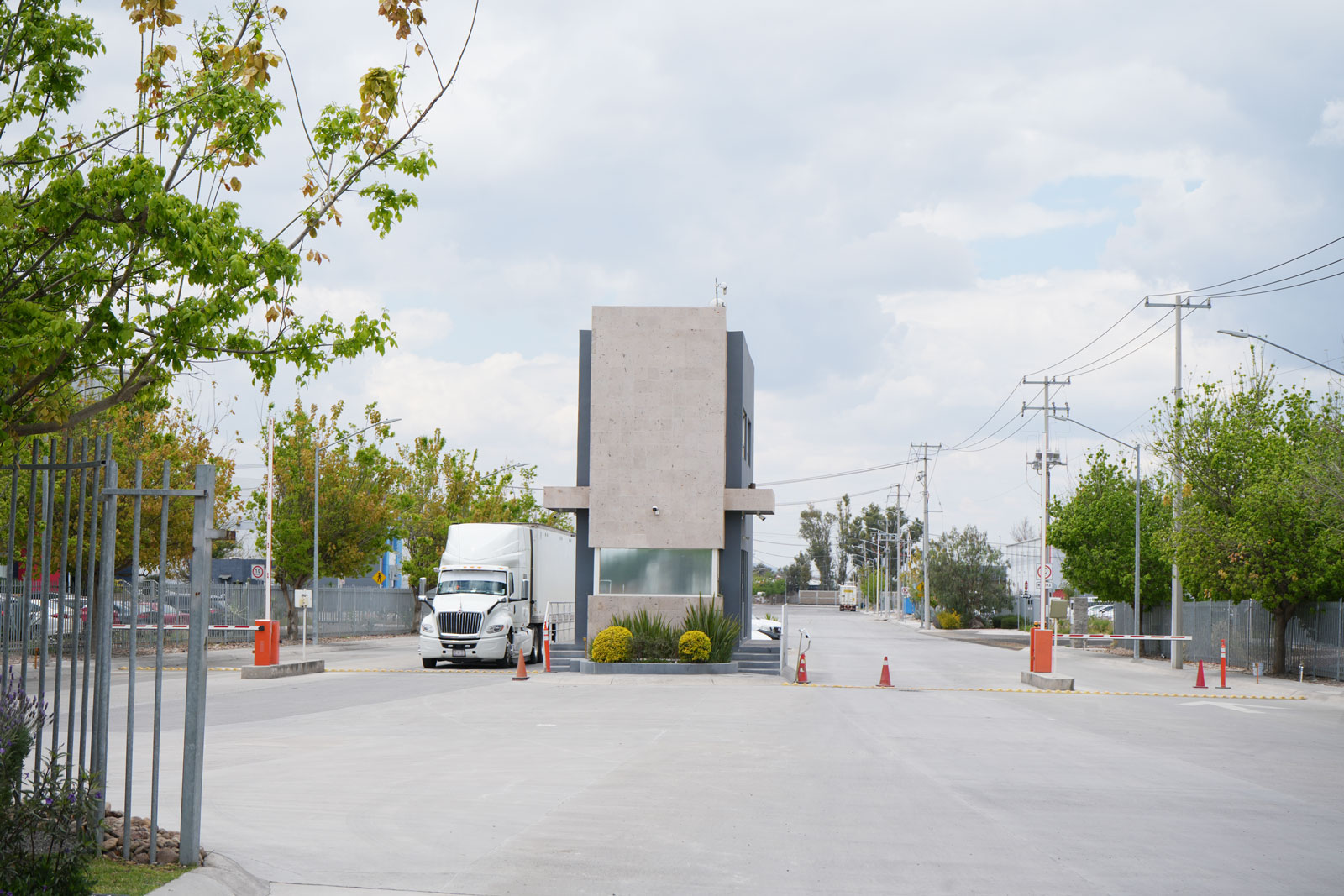
What is industrial development, and why is it vital to the Mexican economy?
Industrial development encompasses the creation, expansion, and modernization of production, logistics, and supply facilities. In Mexico, the manufacturing industry accounts for approximately 22% of GDP, revealing its importance for economic growth, job creation, and integration into global chains. However, the traditional model based on “more production, greater energy and resource consumption” is already reaching its limits due to water scarcity, greenhouse gas emissions, pressure on energy infrastructure, and the need for more resilient supply chains.
In recent years, integrating sustainability as a structural pillar has become essential to ensuring the long-term viability of nearshoring in Mexico. One reflection of this trend is a survey conducted by the Mexican Association of Private Industrial Parks (AMPIP), in collaboration with the World Bank Group, of 30 developers representing nearly 215 industrial parks across the country. The results show that 30% of the participating industrial parks have begun incorporating sustainability practices into their operations, demonstrating both the progress made and the room for environmental growth within the Mexican industrial sector.
From traditional growth to sustainable industrial development
The evolution toward a responsible industry
Decades ago, it was enough to build industrial warehouses on cheap land, far from strict environmental regulation. Today, global industry demands more: compliance with international standards, transparency, resilience to disruptions, and lower environmental impact. One emerging trend is that industrial developers are integrating certifications such as LEED, EDGE, and ISO 14001, or taking part in materials science and circular economy initiatives, to attract high-value industries and stay competitive.
Sustainability principles in the industrial environment
Environmental certifications: Certifications such as LEED (Leadership in Energy and Environmental Design) ensure compliance with international standards in energy efficiency, responsible use of materials, and reduced environmental impact of industrial buildings.
- Energy efficiency: Incorporating clean technologies — such as LED lighting, solar panels, and smart energy management systems — reduces electricity consumption, lowers the carbon footprint, and optimizes operating costs.
- Efficient water management: Given the growing scarcity of this resource, the installation of water capture, recycling, and treatment systems is encouraged, along with the use of low-consumption technologies to ensure water sustainability in industrial parks.
- Sustainable mobility and transportation: Promoting the use of public transportation, electric vehicles, and shared mobility options within and around industrial developments helps reduce CO₂ emissions and improves workers’ quality of life.
- Green spaces and workplace well-being: Integrating natural areas, tree-lined zones, and gardens into industrial complexes supports biodiversity, improves air quality, and creates safer, more pleasant work environments.
Technologies transforming sustainable industrial development
- Artificial Intelligence and Big Data: These enable strategic, data-driven decision-making in real time, optimizing logistics, maintenance, and energy consumption processes.
- Virtual and Augmented Reality: These allow remote facility tours, design simulations, and faster processes for selling or leasing industrial spaces.
- Blockchain: Increases security and transparency through smart contracts, accelerating transactions and strengthening legal certainty in industrial operations.
Characteristics of sustainable industrial development
Energy efficiency and emissions reduction
One of the most relevant areas is the shift toward clean sources: in Mexico, approximately 25% of the energy generated comes from renewable sources, although there is still heavy reliance on natural gas and fossil fuels. Additionally, when industrial parks adopt energy monitoring systems, sensors, and smart automation, they can optimize operations, reduce consumption hours, lower their carbon footprint, and make operations more competitive. The integration of renewable energy and digitalization is key to the development of logistics chains in Mexico in 2025.
Responsible use of resources and materials
Water, waste, construction materials, and the building’s life cycle are critical components. In northern Mexico, it was reported that nearly 50% of the territory was already facing drought conditions by the end of 2024. Best practices include water treatment and reuse, low-impact construction materials, modular design that allows for adaptations, on-site recycling plants, and more. In medical device manufacturing in Tijuana, for example, circular economy models have been adopted in which waste is reintegrated into the production cycle.
Technological innovation and green digitalization
Technology plays a fundamental role: automation, IoT, analytics, digital twins, and edge computing make industrial operations more efficient, traceable, and lower in environmental impact. One study reported improvements of around 18% in energy consumption. Sustainable industrial development in Mexico requires industrial parks to be “ready for” smart industry (Industry 4.0/5.0), which means structure, connectivity, quality power, and adaptable spaces.
This makes infrastructure investment an enabler of sustainability. In addition, a Euromonitor report on sustainability in Mexico notes that more than half of Mexican consumers make efforts to recycle, use less water, and prefer sustainable products, which also drives demand for industries with a smaller environmental footprint.
Benefits of sustainable industrial development for companies
Lower operating costs and improved reputation
Adopting sustainable industrial facilities can translate directly into energy savings, lower water costs, less waste, fewer interruptions, and a better corporate image. Companies operating in industrial parks with sound environmental practices gain access to markets that require ESG, global clients that value sustainability, and can attract talent more easily. For example, optimizing water use in industry is key in drought-prone areas: every cubic meter saved reduces cost and risk. Reports show that many companies in Mexico are already taking action toward “sustainable manufacturing.”
Access to incentives and green financing
Projects that incorporate sustainable construction criteria, energy efficiency, and renewable resources can access green financing, state or federal incentives, and better insurance terms. In Mexico, climate finance regulation shows that the groundwork is being laid for incentives that reward sustainability. This means that an industrial company choosing a park with sustainable features can obtain more favorable terms and reduce its cost of capital.
The role of industrial parks in sustainable development
Industrial parks are the stage where multiple factors converge: location, infrastructure, flexibility, services, communities, and sustainability. For a park to be truly sustainable, it must meet multiple criteria:
- A strategic location with access to transportation, energy, water, and communications networks.
- LEED certification and environmental management systems integrated from planning through operation.
- Infrastructure ready for solar energy and wastewater treatment, reducing operational environmental impact.
- Efficient use of construction materials, prioritizing durable, recyclable, and low-impact options.
- Multifunctional space design that promotes productivity, safety, and employee well-being.
- Compliance with ESG criteria (Environmental, Social & Governance), increasingly valued by investors and financial institutions.
- Promotion of clean energy and technologies that optimize the use of water and natural resources.
VYNMSA: leadership in infrastructure and sustainable industrial development in Mexico
The role of a developer with a sustainability vision is key. VYNMSA, with a presence in strategic regions of the country such as San Luis Potosí, Guanajuato, Querétaro, Nuevo León, and Coahuila, provides a foundation for companies to establish themselves in modern, efficient industrial environments that meet high standards. It is worth highlighting that the requirements today’s industry demands — energy, connectivity, sustainability, flexibility — are addressed in detail by our specialists, so that your company can reduce risks, accelerate operations, and more easily comply with global ESG standards.
By choosing an industrial park that already incorporates sustainable development criteria, your company positions itself not only for today but for the future: with lower exposure to regulatory risk, greater appeal to talent, clients, and suppliers, lower operating costs, and greater resilience.
Conclusion: toward a competitive and environmentally responsible industrial model
Sustainable industrial development in Mexico is not simply a “best practice” or a trend; it is the new competitive standard. For companies looking to grow, expand, and establish industrial operations in Mexico, doing so without considering sustainability already poses a risk of falling behind.
Industrial parks that integrate energy efficiency, resource reuse, technological innovation, and strategic connectivity will be the preferred choice of OEMs, global suppliers, logistics companies, and high-value-added sectors. In this scenario, developers with experience, robust infrastructure, and a sustainable focus — like VYNMSA — are ready to support you in the industrial operations of the future.
If your company is planning its next facility, plant expansion, or relocation in Mexico, keep in mind that the decision of where to locate and how the industrial park is designed can determine not only your operating cost but also reliability, environmental footprint, and global competitiveness. Investing well in sustainable infrastructure today means ensuring you are ready for the demands of tomorrow. Contact us for more information