 ESG
ESG  Broker Friendly
  ES
ES EN
EN
In today’s business environment, choosing the right site can be just as important as the operational model itself. Industrial land in Mexico has become a strategic asset for national and international companies looking to expand operations, establish manufacturing plants, or develop logistics centers. It is not simply about securing available space; it is about ensuring that the property has the proper zoning, infrastructure, and strategic location necessary to support long-term competitiveness.
Mexico’s proximity to the United States and its extensive network of trade agreements have positioned the country as one of the most attractive destinations for industrial investment. The rise of nearshoring has accelerated demand for industrial land across key regions, as companies seek to relocate production closer to North American markets to improve supply chain resilience and reduce logistics costs.
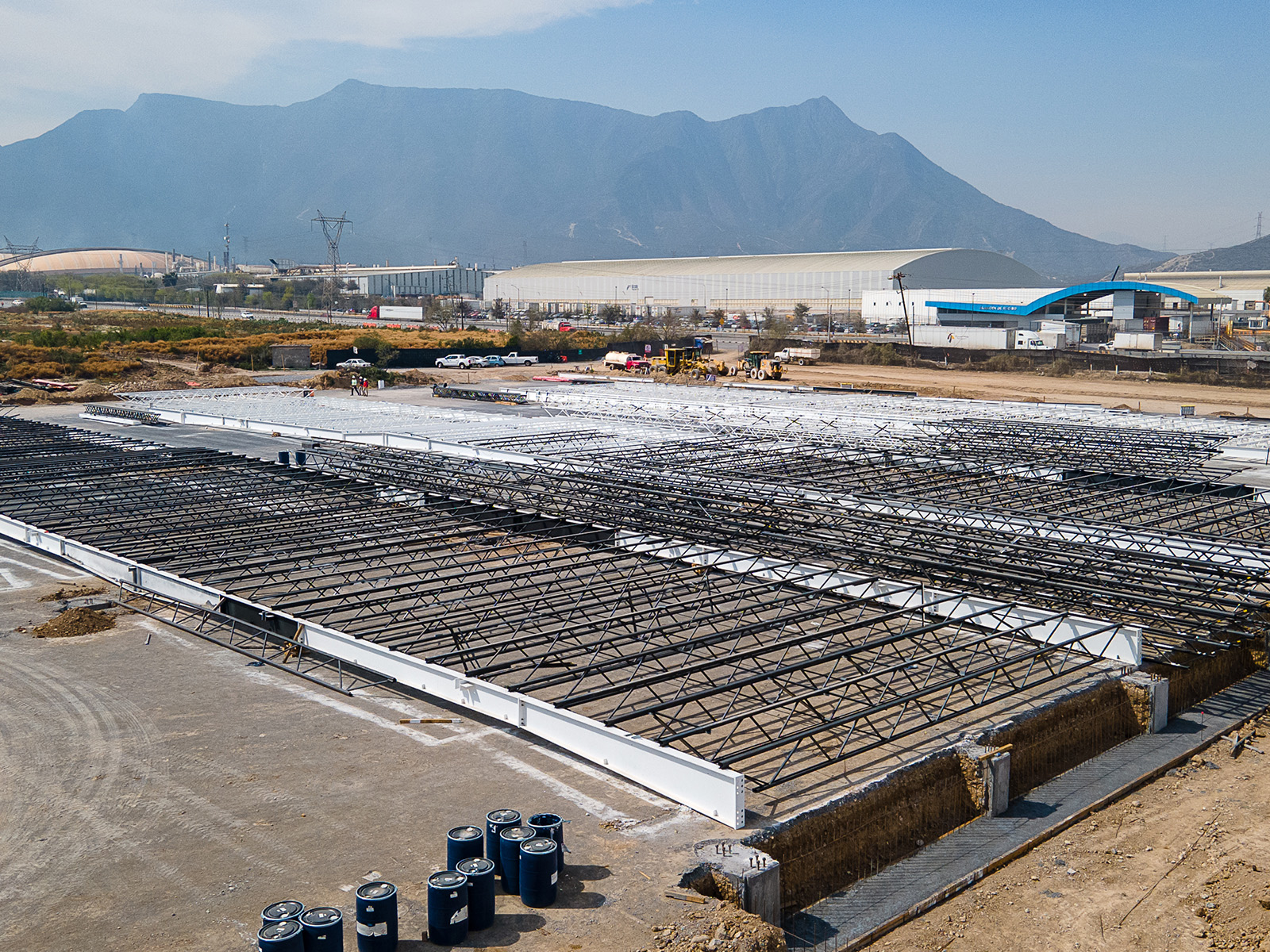
What is industrial land and why is it essential for productive projects?
Industrial land refers to geographic areas designated for productive activities such as manufacturing, warehousing, logistics, and related industrial services. Unlike residential, commercial, or agricultural land, industrial land is regulated under specific zoning and urban development frameworks that allow the installation of factories, distribution centers, and industrial parks.
In Mexico, access to strategically located industrial land with adequate infrastructure is a critical factor for operational success. A properly prepared industrial site not only ensures legal compliance and operational continuity, but also helps optimize logistics costs, reduce installation timelines, and improve access to labor markets.
The increasing demand for industrial land is closely linked to the transformation of global supply chains. Companies from sectors such as automotive, aerospace, electronics, medical devices, and advanced manufacturing are actively seeking industrial sites in regions capable of supporting large-scale operations with modern infrastructure and international connectivity.
Regions such as the Bajío, Monterrey, Querétaro, and Coahuila have become major industrial investment hubs due to their strong logistics networks, manufacturing ecosystems, and access to skilled talent.
Industrial land classification: Understanding the main types
Industrial land can be classified by its location, level of urban development, and growth potential. Each type offers distinct advantages depending on the company’s operational requirements.
Urban industrial land: Urban industrial land is located within cities or consolidated metropolitan areas. Its main advantages lie in its proximity to services, workforce availability, and consumer markets. These properties typically already have access to electricity, water, telecommunications, paved roads, and urban infrastructure.
Urban industrial land is especially attractive for companies that require agile local distribution or constant interaction with suppliers and customers within urban environments. In addition, access to universities, technical schools, and transportation systems facilitates talent attraction and operational continuity.
Among its main benefits are:
- Proximity to qualified labor and educational institutions
- Reduced transportation costs for employees and suppliers
- Access to consolidated urban infrastructure
- Faster operational deployment and connectivity
For industries that prioritize speed-to-market and operational flexibility, urban industrial land can provide a strong competitive advantage.
Suburban industrial land: Located on the outskirts of cities or in nearby municipalities. It represents a balance between urban accessibility and the availability of larger land areas at more competitive prices.
This type of land has become increasingly attractive for companies looking to scale operations without moving too far from urban labor pools and transportation networks. Many industrial parks in Mexico are strategically developed in suburban areas to combine connectivity with expansion potential.
Its main advantages include:
- Lower acquisition costs compared to urban land
- Greater availability of large-scale properties
- Connectivity to industrial and logistics corridors
- Better opportunities for long-term expansion
Suburban industrial land is often selected for manufacturing facilities, logistics hubs, and Build-to-Suit projects that require operational scalability.
Greenfield industrial land: Greenfield industrial land refers to undeveloped sites with no previous construction or infrastructure. While this type of land requires higher initial investment for urbanization and utility installation, it provides companies with maximum design flexibility and customization opportunities.
Greenfield developments are especially common in modern industrial parks and large-scale nearshoring projects where companies require tailored facilities aligned with operational, sustainability, and automation goals.
Key benefits include:
- Full flexibility for large-scale industrial developments
- Long-term asset appreciation potential
- Ability to integrate sustainability standards from the planning stage
- Customization for advanced manufacturing operations
As ESG strategies become increasingly important, many companies are prioritizing greenfield developments to integrate energy efficiency, renewable energy systems, and smart infrastructure into their facilities from the beginning.
Most common uses of industrial land in Mexico
Industrial land in Mexico supports a wide range of productive and logistics activities that are essential for economic growth and international trade.
Industrial Parks, Logistics Centers, and Manufacturing Plants
Industrial parks bring together multiple companies within a single development, allowing them to share infrastructure, services, and security systems. These parks often include logistics centers, manufacturing plants, technical offices, and specialized storage facilities.
The concentration of businesses within industrial ecosystems improves operational efficiency, strengthens supply chains, and facilitates collaboration between suppliers, manufacturers, and logistics operators.
National and Foreign Investment Projects
Industrial land plays a central role in attracting Foreign Direct Investment (FDI), especially in industries such as automotive, aerospace, electronics, pharmaceuticals, food processing, and advanced manufacturing.
Mexico continues to position itself as one of the leading manufacturing destinations in the Americas due to its competitive labor costs, geographic location, and integration into global trade networks.
Nearshoring and Scalable Growth Opportunities
As companies seek to shorten supply chains and reduce dependency on overseas manufacturing, industrial land in Mexico has become increasingly valuable for nearshoring projects.
Organizations relocating operations to Mexico prioritize sites that provide scalability, logistics connectivity, and proximity to the U.S. market. This trend has accelerated demand for industrial land capable of supporting long-term operational growth.
Key criteria for selecting the right industrial land
Zoning Compatibility with Industrial Activity
Infrastructure Access: Highways, Power, Water, and Fiber Optics
An industrial site must provide access to major transportation routes and, ideally, proximity to rail infrastructure, airports, or ports. Reliable utilities are equally important, including electricity capacity, water supply, drainage systems, natural gas availability, and telecommunications infrastructure.
Modern industrial operations increasingly require high-speed connectivity and digital infrastructure to support automation, data management, and smart manufacturing technologies.
Available Services in the Surrounding Area
Additional factors such as public transportation, workforce accessibility, security services, nearby housing developments, and proximity to suppliers can significantly influence operational efficiency and employee retention.
Estimated Preparation Time and Required Permits
What factors can affect investment in industrial land?
Several risks can impact the viability and profitability of industrial land investments if not properly evaluated from the beginning.
These include:
- Incomplete permits or unverified zoning approvals
- Lack of utility infrastructure or service regularization
- Environmental restrictions or unresolved legal issues
- Locations with poor logistics connectivity or limited industrial growth potential
- Industrial properties located far from major industrial corridors often lose competitiveness due to higher transportation costs and limited access to suppliers, labor, and infrastructure.
For this reason, companies increasingly prioritize developments within established industrial parks that provide certainty, infrastructure, and long-term operational support.
Why is VYNMSA a benchmark in industrial land development in Mexico?
VYNMSA is one of Mexico’s most established industrial developers, with more than 30 years of experience and over 500 delivered industrial projects. The company specializes in developing industrial land and facilities designed to meet the operational needs of global manufacturers, logistics operators, and industrial companies.
VYNMSA’s industrial properties include validated zoning, ready-to-build permits, and guaranteed utility infrastructure, helping companies reduce risk and accelerate operational startup timelines.
Projects in strategic regions such as the Bajío, Apodaca, and Querétaro
With a strong presence across the Bajío and Northeastern Mexico, VYNMSA offers industrial land in strategic corridors with high national and international connectivity. From site selection to turnkey project delivery, VYNMSA supports clients throughout every phase of development, ensuring operational efficiency, legal certainty, and long-term scalability.
How to evaluate return on investment when acquiring industrial land
Investing in industrial land is not simply about purchasing property; it is about securing the operational and financial future of a business. The true value of industrial land lies in its ability to improve logistics efficiency, facilitate expansion, and generate sustainable long-term returns.
A strategically located industrial property within a consolidated industrial corridor can significantly increase in value over time due to urban growth, infrastructure development, and the arrival of new industrial investments. This appreciation transforms industrial land into both an operational asset and a long-term investment opportunity.
Additionally, several Mexican states such as Querétaro, Guanajuato, Nuevo León, and Coahuila have strengthened their competitiveness by offering incentives including tax benefits, licensing reductions, and investment support programs that help reduce initial operating costs and improve ROI.
Before acquiring industrial land, companies should conduct a comprehensive evaluation that considers long-term appreciation projections, monetization strategies such as leasing or future resale, government incentives and tax benefits, total logistics cost analysis, as well as infrastructure scalability and operational flexibility.
Ultimately, the best industrial land investment is not defined solely by the price per square meter, but by the property’s ability to support operational competitiveness and sustainable long-term growth.
Industrial land serves as the foundation for productive projects seeking efficiency, scalability, and long-term success. Selecting the right site requires careful analysis of location, connectivity, infrastructure, and legal certainty, all of which directly impact the viability and profitability of an industrial investment.
With VYNMSA’s expertise in industrial land development across Mexico, companies gain access to strategic, ready-to-build spaces backed by operational experience and legal certainty. From the Bajío region to Northeastern Mexico, VYNMSA delivers industrial solutions designed to transform every project into a secure and scalable investment opportunity.